

At the practice of Ioannis Raptis, infertility issues are managed in accordance with the guidelines of the “Frankfurt Hormone School” (Frankfurter Hormonschule) and the International Society of Gynecological Endocrinology (ISGE).
Follow Us
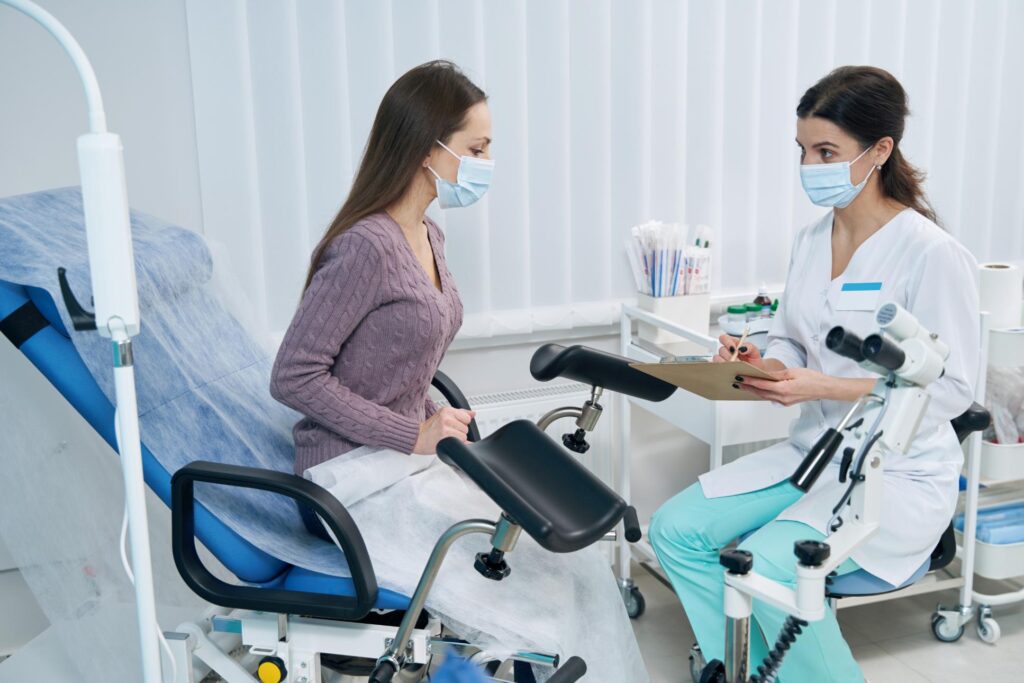
Egg freezing, also known as egg cryopreservation, is a modern assisted reproduction technique used to preserve a woman’s fertility. During this process, and with the help of specialized medication, at least 10 to 15 eggs are retrieved and frozen. These eggs can later be used to achieve pregnancy through in vitro fertilization (IVF), whenever the woman chooses.
Therefore, egg freezing allows women to preserve their fertility, avoiding the natural yet time-sensitive decline in both the quality and quantity of their eggs. The same method is also used to safeguard the fertility of oncology patients who are about to undergo specific medical treatments.
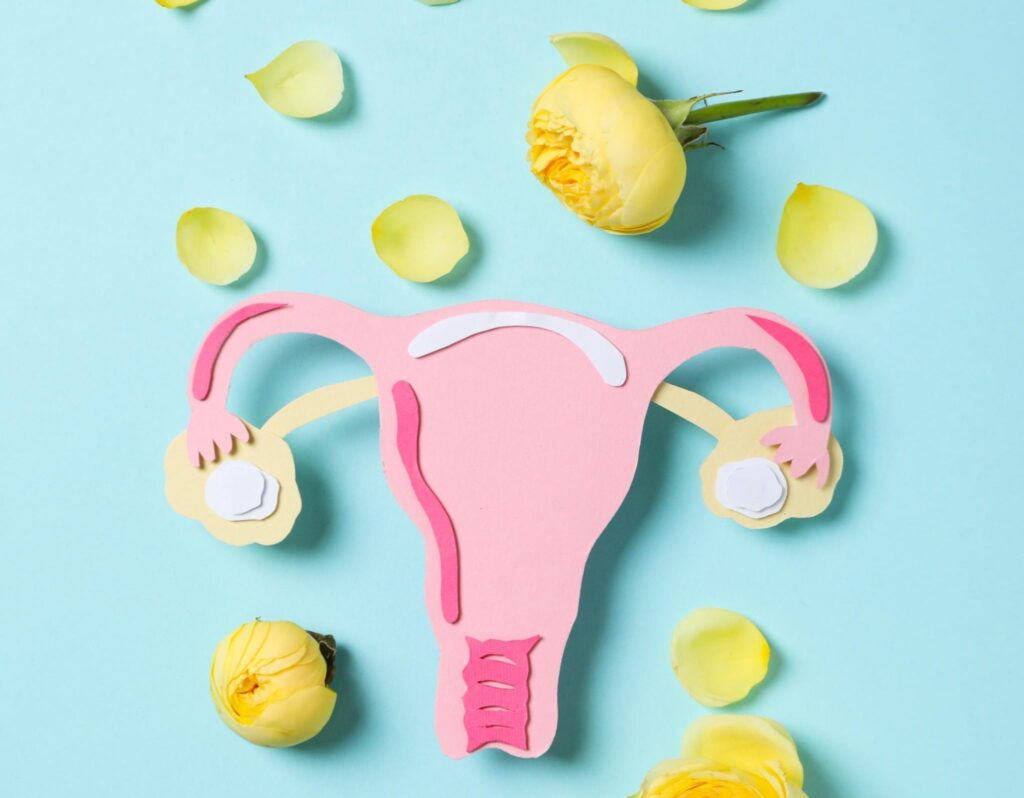
Egg freezing is recommended for women who:
Have been diagnosed with a cancer condition and are about to begin treatments such as radiation or chemotherapy, which may negatively affect their fertility.
Suffer from chronic gynecological conditions, such as endometriosis, that require repeated ovarian surgeries.
Have premature ovarian insufficiency.
Wish to have children later in life for social reasons (social freezing).
It is very important to note that egg freezing offers the highest chances of future pregnancy when performed before the age of 35. After this age, retrieving a sufficient number of high-quality eggs becomes progressively more difficult, leading to a gradual decrease in the likelihood of achieving pregnancy through this method.
The egg freezing process is completed within approximately 10–14 days and requires about three visits to the gynecologist. The steps are as follows:
Ovarian stimulation
The woman receives medication that stimulates the ovaries in order to achieve the simultaneous maturation of the maximum possible number of eggs.
Egg retrieval
Once the eggs have matured, they are collected transvaginally using a specialized needle. General anesthesia is administered for about 15 minutes, and the patient returns home shortly afterward.
Egg evaluation and freezing
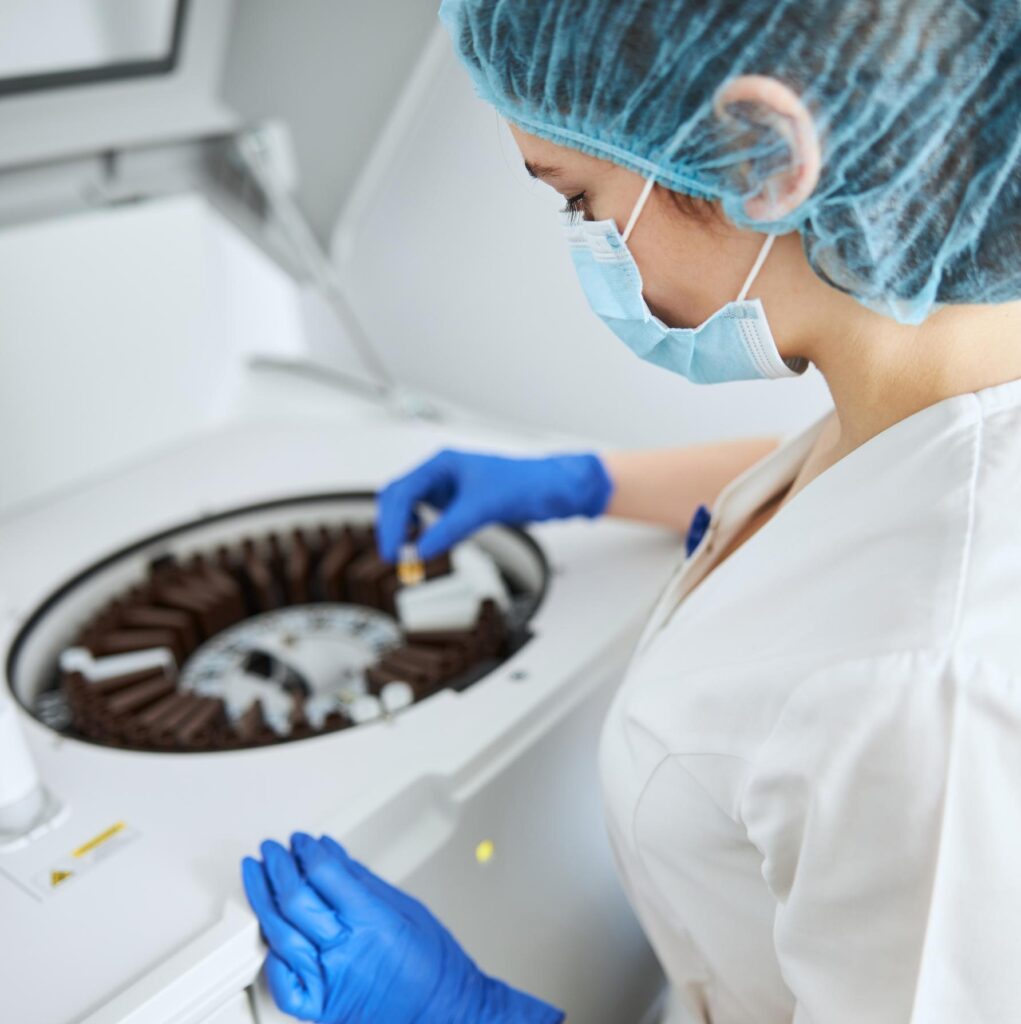
Using specific morphological criteria, embryologists select the eggs with the highest likelihood of successful fertilization and freeze them using the vitrification method. The eggs are exposed to special cryoprotective solutions and immediately stored in liquid nitrogen.
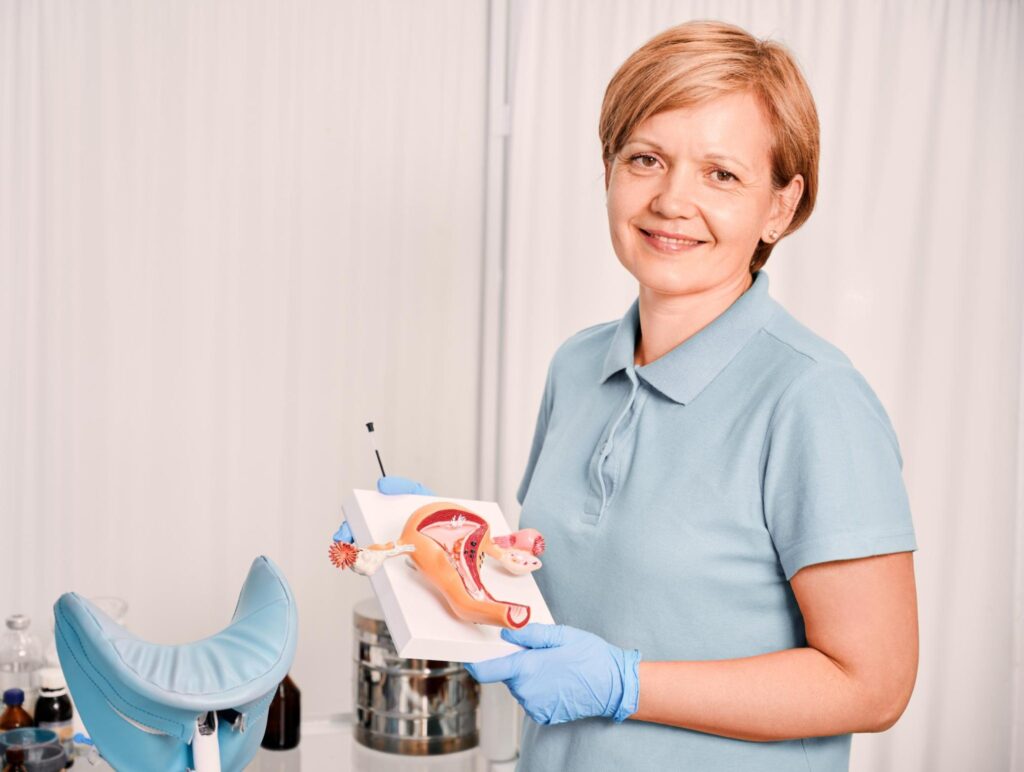
During the ovarian stimulation period, any intense physical activity should be avoided. A balanced diet is recommended, with reduced consumption of caffeine and alcohol.
Immediately after the procedure, the woman returns home. It is advisable to rest for the remainder of the day until the effects of the anesthesia have completely worn off.
From the following day, she can fully resume her normal activities. However, for a few days after the procedure, it is recommended to avoid intense physical exertion (manual labor, exercise, sexual intercourse).

The best age for egg freezing is before the age of 35, as egg quality is very good at this stage, the number of eggs retrieved is usually higher, and therefore the eggs have a greater likelihood of successful fertilization in the future.
The entire egg freezing process, from ovarian stimulation to egg retrieval, lasts approximately 10 to 14 days. During this period, the woman typically requires 2–3 visits to the gynecologist for monitoring of egg maturation.
Yes, egg freezing is a completely safe procedure. No long-term health effects from the hormonal treatment have been identified. In addition, the likelihood of side effects during the process is extremely low.
Eggs that are frozen using the vitrification method can remain cryopreserved for many years without losing their ability to be fertilized. The survival and fertilization rates of the eggs do not depend on the length of time they remain frozen.
The older the age at which egg freezing is performed, the greater the number of eggs required to ensure a high probability of pregnancy. Indicatively, if a 75% chance of having a child is desired, at least 10–15 eggs are needed for women under the age of 35, and approximately 20 eggs at the age of 37.

Χρησιμοποιούμε cookies για να βελτιώσουμε την εμπειρία σας στον ιστότοπό μας. Χρησιμοποιώντας τον ιστότοπό μας, συναινείτε στη χρήση cookies.
Manage your cookie preferences below:
Essential cookies enable basic functions and are necessary for the proper function of the website.