

Ioannis Raptis has clinical experience from his position as Senior Consultant (Oberarzt) at the German perinatal center AKH Hagen. There, he received comprehensive training in Special Obstetrics and Perinatal Medicine (Spezielle Geburtshilfe und Perinatal Medizin) and specialized in high-risk pregnancies and complicated deliveries.
Follow Us

Gestational diabetes is defined as the first occurrence of elevated blood glucose levels during pregnancy. In recent years, its incidence has been increasing. It is estimated that 1 to 2 out of 10 pregnant women may develop gestational diabetes.
During pregnancy, several hormonal changes occur. Blood glucose levels rise to ensure that the fetus receives adequate nutrients. A hormone called insulin helps break down glucose (sugar) from food and transports it into the cells for proper use. Insulin acts as a regulator of blood glucose levels.
If insulin does not function properly or is insufficient, glucose accumulates in the bloodstream, leading to diabetes.

Factors that increase the likelihood of developing gestational diabetes include:
In most cases (approximately 70–80%), gestational diabetes does not cause symptoms and is diagnosed through laboratory testing. However, when hyperglycemia is more pronounced, symptoms may include:
Diagnosis is made through blood tests that detect elevated glucose levels.
The most important test is the oral glucose tolerance test (OGTT), usually performed after the 24th week of pregnancy. The pregnant woman attends the laboratory after 8 hours of fasting. Three blood samples are taken:
If at least one value is equal to or exceeds 92/180/153 mg/dL respectively, gestational diabetes is diagnosed.


Complications may affect both the fetus and the mother, particularly when blood glucose levels are not well controlled.
Treatment begins immediately after diagnosis and aims to maintain blood glucose levels within normal pregnancy ranges.
Initially, a personalized nutritional plan is recommended, tailored to the needs of the pregnant woman. Regular physical activity, preferably aerobic exercise, is also advised.
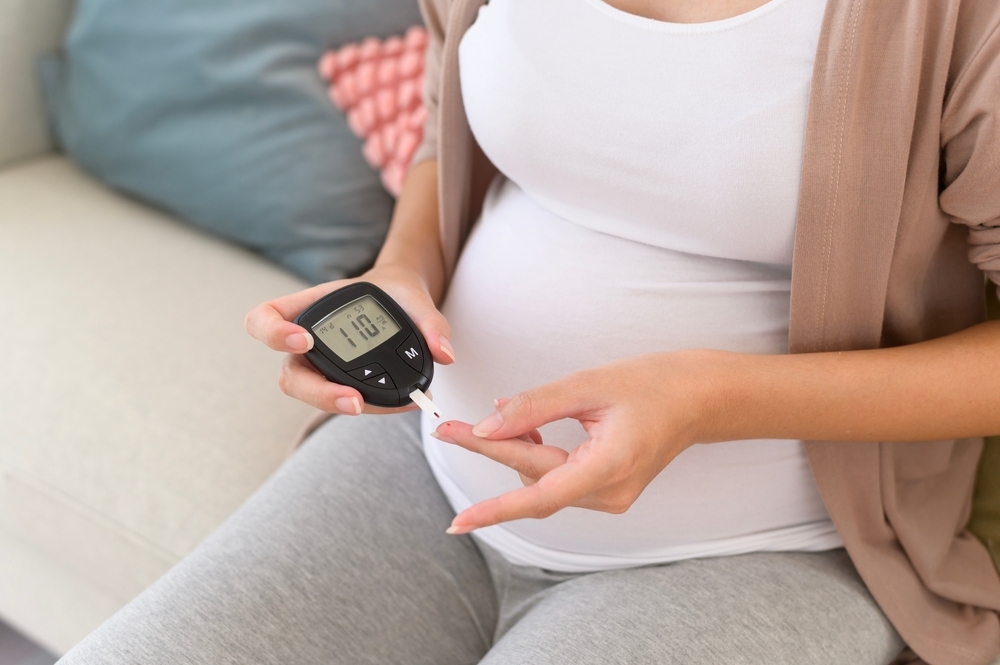
Blood glucose levels are monitored regularly, typically three times daily for two weeks. Based on the results, it is determined whether lifestyle changes are sufficient or if referral to an endocrinologist for insulin therapy is required.
No. If gestational diabetes is well controlled and fetal development is normal, the woman can safely have a vaginal delivery.
In cases where insulin is not required and findings remain normal, pregnancy may continue up to seven days beyond the estimated due date.
Women who develop gestational diabetes should undergo an oral glucose tolerance test 6–7 weeks postpartum, in collaboration with an endocrinologist.
Gestational diabetes is an important diagnosis that classifies pregnancy as high-risk and requires specialized monitoring.
Despite the potential complications, close follow-up by a specialized obstetrician ensures a favorable outcome and protects both maternal and neonatal health.
For personalized guidance and support throughout every stage of pregnancy, obstetrician–gynecologist Ioannis Raptis and his team are at your disposal. Contact us to schedule your appointment.

Χρησιμοποιούμε cookies για να βελτιώσουμε την εμπειρία σας στον ιστότοπό μας. Χρησιμοποιώντας τον ιστότοπό μας, συναινείτε στη χρήση cookies.
Manage your cookie preferences below:
Essential cookies enable basic functions and are necessary for the proper function of the website.