

Ioannis Raptis is the former Head of the Endometriosis Center at the German academic hospital AKH Hagen and is a certified physician (MIC II) for performing advanced laparoscopic and hysteroscopic procedures by the German Society for Gynecological Endoscopy (AGE).
Follow Us

The endometriosis is one of the most common benign gynecological conditions, affecting 5–10% of women of reproductive age.
The condition involves the ectopic (outside the uterus) growth of tissue similar to the endometrium, which is the normal lining of the uterine cavity.
Endometriotic lesions are most commonly found on the inner surface of the abdomen, the ovaries, the fallopian tubes, the uterine ligaments, among other sites.
Endometriotic lesions change in a similar way during the menstrual cycle as the endometrium.
However, while the endometrium is shed from the body through menstruation, these lesions have no outlet, increase in size, and may form new lesions. As a result, endometriosis often progresses if left untreated.
Therefore, although it is a benign gynecological condition, it can become extensive and significantly affect the patient’s physical health.
In the following article, we discuss the causes, symptoms, and modern treatment options for endometriosis.
Contents:
The exact causes of endometriosis have not been determined. Various theories that have been proposed can explain only part of the characteristics of the disease.
However, we know that genetic, environmental, and dietary factors play an important role in the development and progression of the condition.
In general, women at higher risk of developing endometriosis are those who:
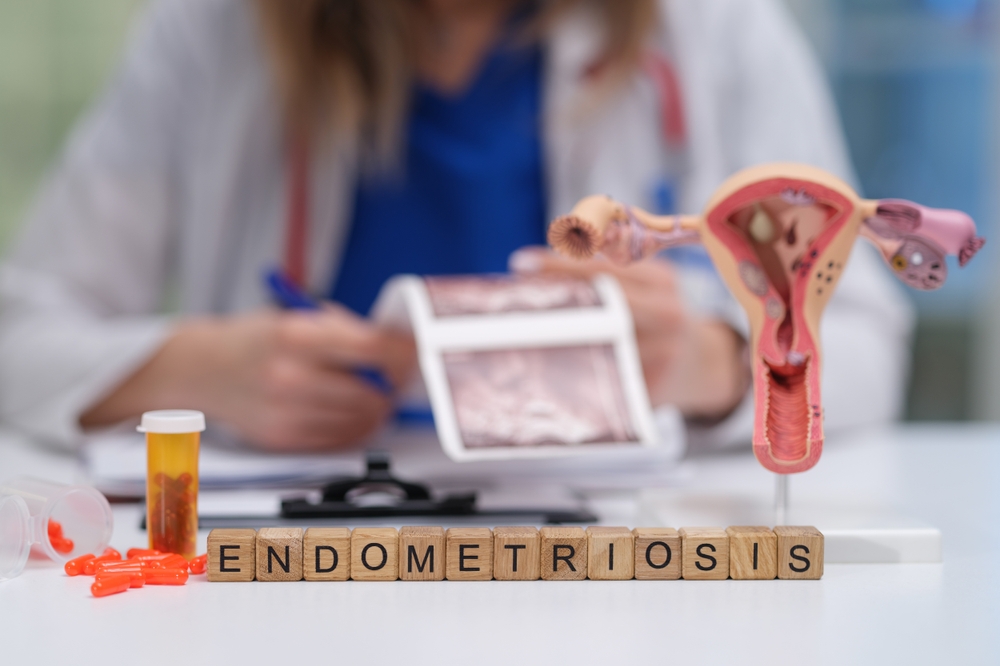

Endometriosis may present with a wide range of symptoms, which vary from patient to patient. For this reason, the condition has been described as a “chameleon disease.”
Pain is the most common symptom of endometriosis and occurs with varying intensity and frequency. This pain may present as:
It is important to note that the severity of symptoms is not always proportional to the extent of endometriosis. There are patients with extensive disease who report minimal discomfort, and others with only a few lesions who report severe symptoms.
In addition to pain, other symptoms that may accompany endometriosis include:
Endometriosis requires therapeutic intervention when the patient’s symptoms are very severe, when there is a confirmed issue of infertility, or when, due to the extent of the lesions, the proper function of an organ is at risk.
The therapeutic approach varies from woman to woman depending on medical history, age, symptoms, and family planning considerations.
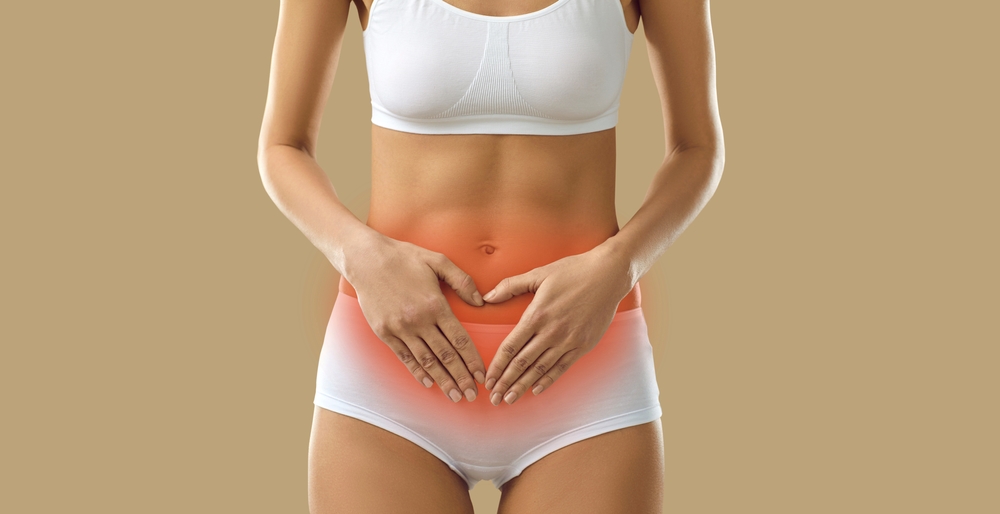
The common treatment options for endometriosis are as follows:
The first-line treatment for the radical management of endometriosis consists of laparoscopic removal of all lesions.
Laparoscopic excision of endometriosis is a fully individualized therapeutic intervention and is tailored according to the stage of the disease, the patient’s medical history, the severity of symptoms, and family planning considerations.
Performing the procedure by a physician specialized in the endoscopic treatment of endometriosis ensures safe and effective management of the disease, minimizes the risk of recurrence, and preserves the integrity of affected tissues (uterus, ovaries, nerves).
The endometrium is the lining of the inner surface of the uterus. During the menstrual cycle, the endometrium thickens in preparation for implantation of a fertilized egg. If implantation does not occur, the endometrium is shed as “menstruation.”
One of the best-known theories regarding the development of endometriosis is that of retrograde menstruation.
According to this theory, during menstruation a small amount of blood, instead of flowing outward through the vagina, moves in the opposite direction and, through the fallopian tubes, enters the abdominal cavity, leading to the formation of endometriotic lesions.
Various dietary interventions may be helpful in the prevention and treatment of endometriosis.
Reducing fat intake and increasing dietary fiber have been shown to lower circulating estrogen levels, suggesting a potential benefit for individuals with endometriosis, as the disease is estrogen-dependent.
A plant-based diet also has anti-inflammatory properties, which may be beneficial. Meat consumption has been associated with a higher risk of developing endometriosis.
Additionally, vitamin D intake and supplementation with vitamins C and E have been shown to reduce endometriosis-related pain levels.
One of the most significant issues related to endometriosis is the long period of time that often intervenes between the onset of symptoms and the diagnosis of the disease.
Unfortunately, symptoms such as severe menstrual pain and pain during sexual intercourse are very often not adequately evaluated, resulting in the disease being diagnosed at an advanced stage.
The attending gynecologist must take these symptoms seriously. A thorough clinical and ultrasound gynecological examination should then be performed, which may reveal further indications of the disease.
In some cases, more specialized imaging methods, such as magnetic resonance imaging (MRI), may be required.
In most cases, endometriotic lesions are not visible on imaging studies.
For this reason, the physician’s experience in managing endometriosis plays a crucial role in both accurate diagnosis and effective treatment.
The definitive diagnosis of endometriosis is made histologically after obtaining a biopsy of the affected area.
However, histological confirmation is not always necessary. Treatment may be initiated even when, based on the physician’s experience, the presence of the disease is considered highly likely.
Simply put, adenomyosis refers to the presence of endometriotic lesions within the wall of the uterus.
The condition may be accompanied by additional symptoms such as heavy menstrual bleeding or recurrent miscarriages.
Its treatment follows the same principles as those applied in the management of endometriosis, as described above.

Χρησιμοποιούμε cookies για να βελτιώσουμε την εμπειρία σας στον ιστότοπό μας. Χρησιμοποιώντας τον ιστότοπό μας, συναινείτε στη χρήση cookies.
Manage your cookie preferences below:
Essential cookies enable basic functions and are necessary for the proper function of the website.