Follow Us


Ioannis Raptis has clinical experience from his position as Senior Consultant (Oberarzt) at the German perinatal center AKH Hagen. There, he received comprehensive training in the field of Special Obstetrics and Perinatal Medicine (Spezielle Geburtshilfe und Perinatal Medizin) and specialized in high-risk pregnancies and complicated deliveries.
Follow Us
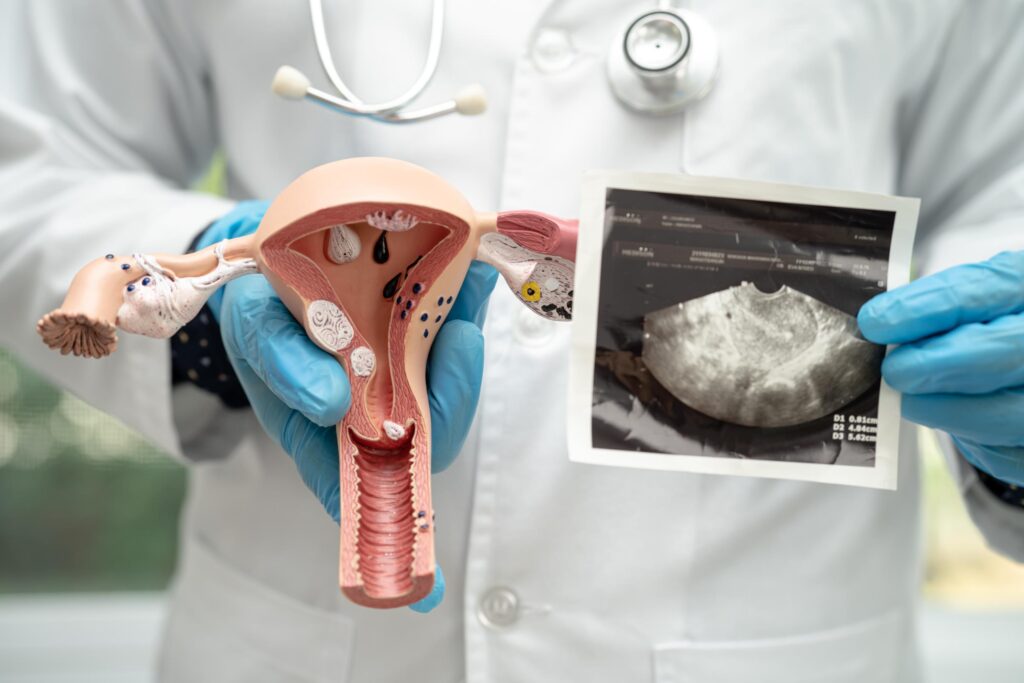
Bleeding is one of the most concerning symptoms during pregnancy and may occur at any time, from conception through to delivery.
Light bleeding may frequently occur during pregnancy and, in most cases, is not associated with a significant pathology. In other cases, however, bleeding may be a sign of a serious condition that requires immediate management.
The implantation of the embryo in the woman’s uterus may, in some cases, be accompanied by slight bleeding, which usually does not affect the pregnancy.
Another common cause of light bleeding during pregnancy is sexual intercourse, when it leads to minor abrasions. The bleeding is usually mild, occurs during or shortly after intercourse, and lasts from a few minutes to a few hours with gradually decreasing intensity.
Additionally, light bleeding in the form of red, pink, or brown drops and discharge during the first trimester of pregnancy is a common phenomenon, which in most cases is not associated with complications, especially when it is not accompanied by abdominal pain.
Finally, light bleeding that often accompanies the onset of uterine contractions at the beginning of labor is due to the rupture of small cervical vessels, decreases rapidly as labor progresses, and does not burden the process..
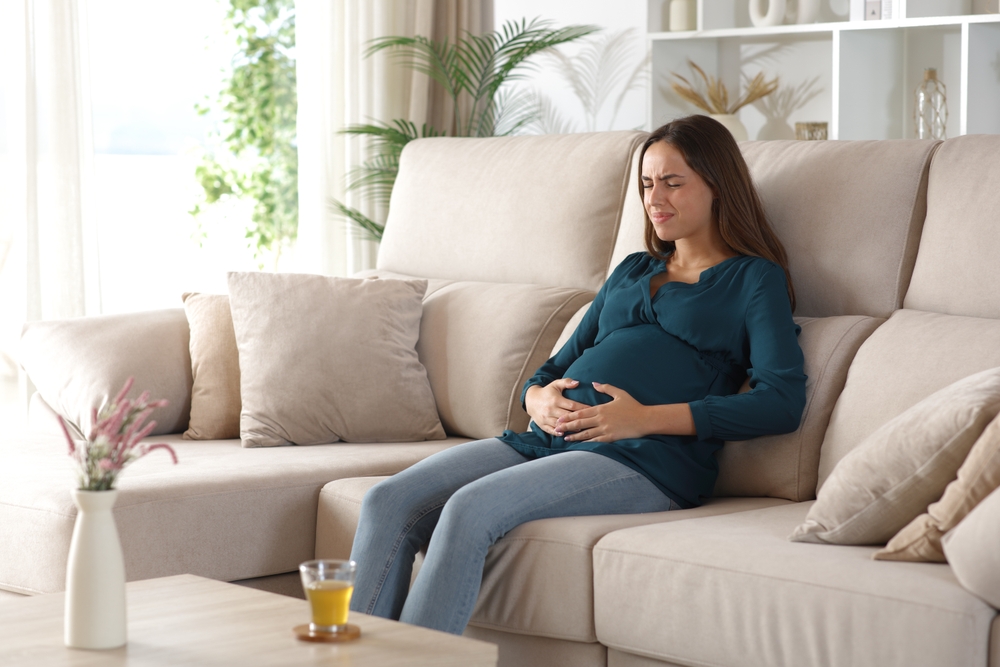

It should be noted that the possible causes of pathological bleeding during pregnancy are numerous. Below, we list the most common causes depending on gestational age.
A pregnancy is described as threatened when it is characterized by the presence of bleeding while the embryo remains intact with positive cardiac activity. In some cases, the bleeding may be accompanied by miscarriage. This condition is one of the most common obstetric complications and one of the main causes of bleeding in early pregnancy.
In most cases, the cause of the bleeding remains unknown, while factors that increase the risk of threatened miscarriage include advanced maternal age, smoking, infections, among others.
With timely and effective treatment, the likelihood of fetal survival increases, allowing the pregnancy to continue normally.
The placenta is the organ that implants into the uterine wall and is responsible for the proper nourishment and oxygenation of the fetus through the umbilical cord and the maternal circulation.
The placenta may occupy any position within the uterus. In rare cases, it may cover the internal cervical os and is then characterized as placenta previa. In this case, there is a risk of heavy bleeding, which is usually not accompanied by pain. This bleeding may occur either as a result of mechanical strain (sexual intercourse, lifting weights, etc.) or spontaneously.
The most common factors that increase the likelihood of placenta previa include advanced maternal age, a history of uterine surgery (including cesarean section), twin pregnancy, in vitro fertilization (IVF), and a short interval between two pregnancies.
Avoidance of any physical strain, appropriate medication to suppress possible contractions, and regular monitoring of the pregnancy by an obstetrician specialized in high-risk pregnancies constitute the three main pillars of management. At the same time, patient education for the timely recognition of symptoms related to the condition also plays a crucial role.
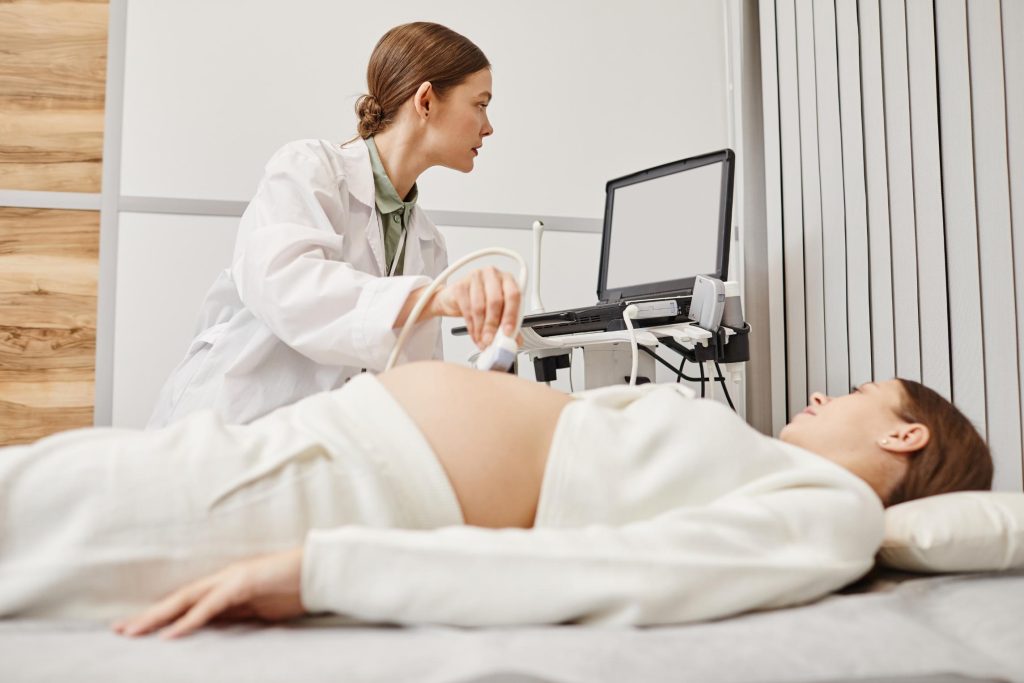

Placental abruption from the uterine wall is a serious but fortunately rare complication of pregnancy. It most commonly presents with moderate to severe bleeding and mild abdominal pain, and it may endanger the health of both the fetus and the pregnant woman.
Abruption may occur as a result of abnormal implantation of the placenta into the uterine wall. The cause of this abnormal implantation is most often unknown. However, obesity, diabetes, age over 40 years, multiple pregnancy, first pregnancy, and in vitro fertilization are the main risk factors.
In the event of bleeding during pregnancy, the pregnant woman should immediately contact her attending obstetrician, as in most cases timely therapeutic intervention can determine the outcome of the condition.
In cases of non-threatening bleeding, simple measures such as avoiding work and any physical strain are usually sufficient.
When the bleeding is associated with a serious pregnancy-related pathology, specialized and frequent ultrasound examinations, hospitalization, as well as pharmacological therapeutic interventions may be required in order to safely prolong the pregnancy and reduce the likelihood of complications in case of preterm birth.
In this case, the pregnancy is characterized as high-risk and should be monitored by specialized obstetricians and in dedicated perinatal centers capable of providing specialized support to both mother and child. In this way, the optimal conditions for a favorable pregnancy outcome are ensured.


Χρησιμοποιούμε cookies για να βελτιώσουμε την εμπειρία σας στον ιστότοπό μας. Χρησιμοποιώντας τον ιστότοπό μας, συναινείτε στη χρήση cookies.
Manage your cookie preferences below:
Essential cookies enable basic functions and are necessary for the proper function of the website.