Rectangle 174

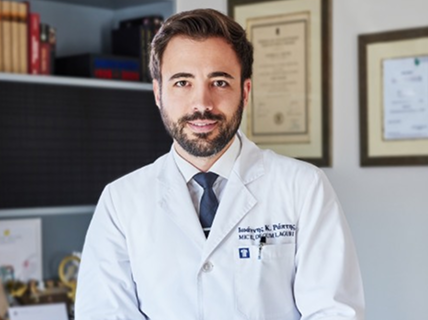
Ioannis Raptis MIC II, DEGUM I, AGUB I

Obstetrician – Gynecologist

Ioannis K. Raptis is an accredited physician (MIC II qualification) certified to perform advanced laparoscopic and hysteroscopic procedures of high complexity by the German Society for Gynecological Endoscopy (AGE). In cases where intra-abdominal tissue fragmentation is required, an innovative closed containment bag system is used to ensure patient safety in the event of malignancy (contained morcellation).

Doctor’s CV >>


Follow Us

laparoskopiki-inomiektomi01

Treatment for Uterine Fibroids

What are uterine fibroids?

Fibroids are benign tumors that develop within the wall of the uterus, mainly in women of reproductive age. These tumors usually grow gradually; however, in some cases, they may appear suddenly.

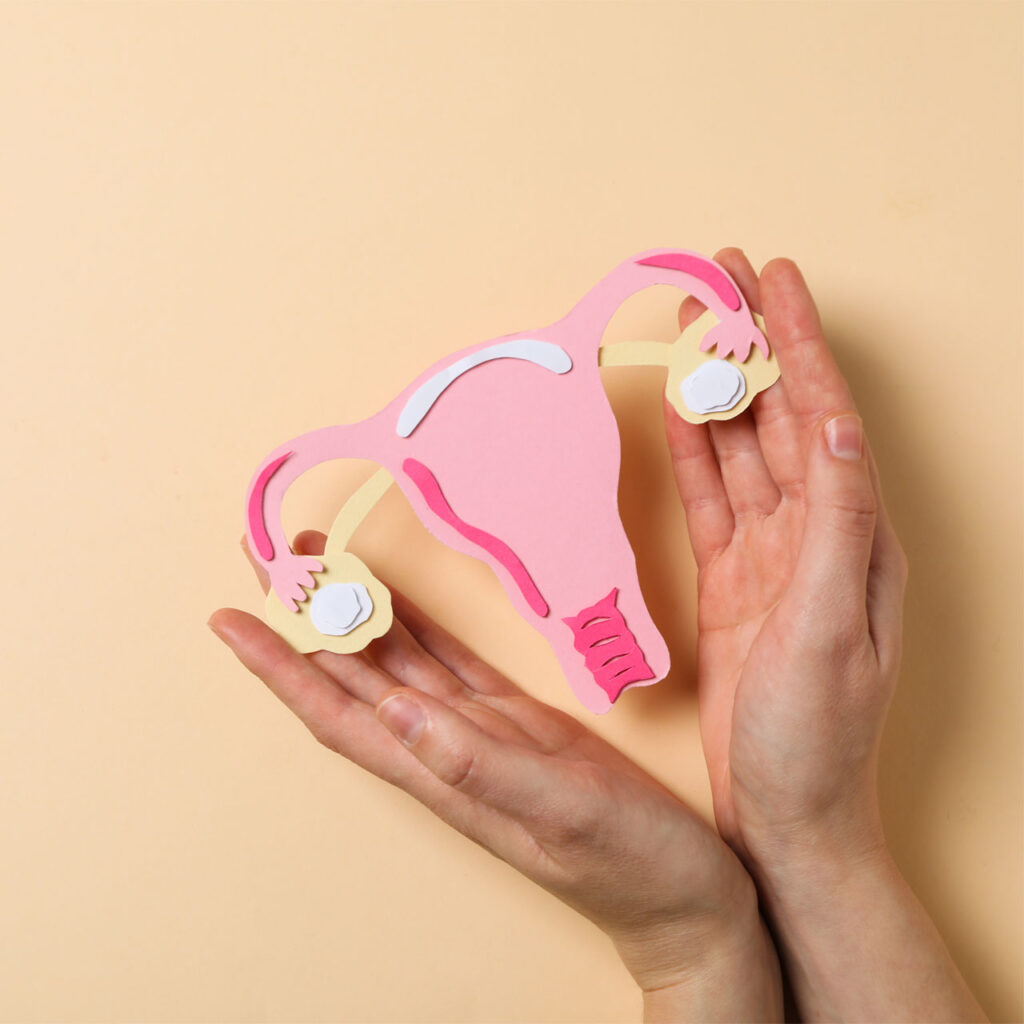
Fibroids are classified into three categories based on their location within the uterus: subserosal, intramural, and submucosal. Subserosal fibroids are those whose largest portion is located on the outer surface of the uterine wall. Those primarily found within the thickness of the uterine wall are called intramural fibroids. Finally, submucosal fibroids develop within the uterine cavity.

What Symptoms Do Fibroids Cause?

The discomfort and complications caused by fibroids depend on their size, number, and location within the uterus. The most common symptoms of fibroids are the following:

  • Abdominal pain
  • Bleeding
  • Dysmenorrhea (painful menstruation)
  • Constipation
  • Urinary disturbances
  • Dyspareunia (pain during sexual intercourse)
  • Infertility
  • Miscarriages

It is important to note that in rare cases, some fibroids may be malignant. This likelihood has been estimated at 1 in 300.

 
laparoskopiki-inomiektomi04
laparoskopiki-inomiektomi03

Why Is Laparoscopy Recommended as a Treatment for Uterine Fibroids?

When removal of fibroids is required, laparoscopic myomectomy stands out as the safest and most effective treatment method.

The endoscopic, radical removal of fibroids without damaging healthy tissues not only relieves the woman from the symptoms of the condition but also restores the normal anatomy of the uterus without the risk of complications associated with conventional open surgery (bleeding, infection, wound-healing disorders, etc.). At the same time, the aesthetic outcome is excellent, as the incisions made to allow the surgeon access to the abdomen are microscopic.


Finally, laparoscopy offers significant advantages during the postoperative period, as pain is minimal, mobilization is immediate, and recovery time does not exceed 24 hours.

What Tests Are Required Before Laparoscopic Surgery?

For the successful performance of laparoscopic removal of fibroids, patients are required to undergo an ultrasound and, in certain cases, an MRI scan. The results of these examinations are crucial, as they allow the surgeon to determine the exact location of the tumors to be removed. At the same time, the likelihood of a fibroid being malignant is evaluated.

What Is Recovery Like After Laparoscopic Treatment for Uterine Fibroids?

Laparoscopy is a minimally invasive procedure, especially when compared to open abdominal surgery. This explains why recovery after laparoscopy is fast and virtually painless. The pain experienced by the patient upon awakening is minimal, mobilization is immediate, and within just 24 hours she can return to her daily routine. In many cases, hospitalization at the clinic is not required.

Incision care is simple and includes disinfection with a special antiseptic twice daily. No special adhesive dressings are required, and the patient may shower normally.

Finally, activities involving intense physical exertion (gym workouts, manual labor, etc.) should be avoided for 2–3 days in order to prevent abdominal pain.
laparoskopiki-inomiektomi02
laparoskopiki-inomiektomi05

Why Choose Laparoscopic Treatment for Uterine Fibroids with Gynecologist Ioannis Raptis?

  • Ioannis Raptis
    is an accredited physician (MIC II qualification) certified by the German Society for Gynecological Endoscopy (AGE) to perform advanced laparoscopic and hysteroscopic procedures of high complexity.
  • The doctor is supported by a specialized medical team of permanent collaborators (anesthesiologist, assistant surgeons, nurse).
  • Intra-abdominal fragmentation of fibroids is performed exclusively within the
    innovative closed containment bag system
    “Endo bag,” which protects the patient from tissue dissemination or potential malignancy.
  • During the removal of medium- or large-sized fibroids, and to ensure optimal tissue healing, the uterus is sutured in two layers (instead of one).
  • In the majority of cases, the
    patient returns home the same day.

Frequently Asked Questions

Diagnosis is usually made with a transvaginal ultrasound. In certain cases, an MRI scan is required.
 

Fibroids may be located on the outer surface of the uterus (subserosal), within the uterine wall (intramural), or inside the endometrial cavity (submucosal).

Some common symptoms include heavy or prolonged menstrual bleeding, abdominal pain, frequent urination, as well as infertility.

Depending on their size and location, fibroids may affect a woman’s ability to conceive or cause complications during pregnancy.

Treatment depends on the size and location of the fibroids, the symptoms they cause, and whether the woman desires pregnancy. It includes hysteroscopic or laparoscopic removal, hysterectomy, and embolization.
 

Although rare, a fibroid may be malignant – the likelihood is estimated at 1 in 300–500 cases.

MEDIA

According to the scientific standards
of the German Society of Obstetrics and Gynecology

Frame 59 1

Book your appointment

Book
your appointment