
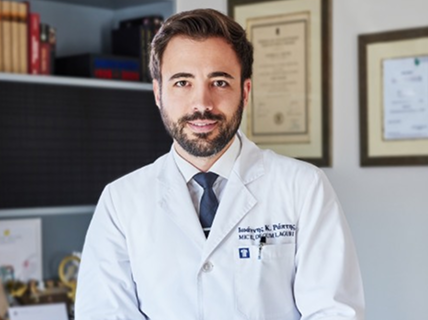
Ioannis Raptis
MIC II, DEGUM I, AGUB I
Obstetrician – Gynecologist
Ioannis Raptis served as Head of the Endometriosis Center (Endometriosezentrum) at the German academic hospital AKH Hagen and is a certified physician (MIC II qualification) accredited by the German Society for Gynecological Endoscopy (AGE) to perform advanced laparoscopic procedures of high complexity.
Follow Us
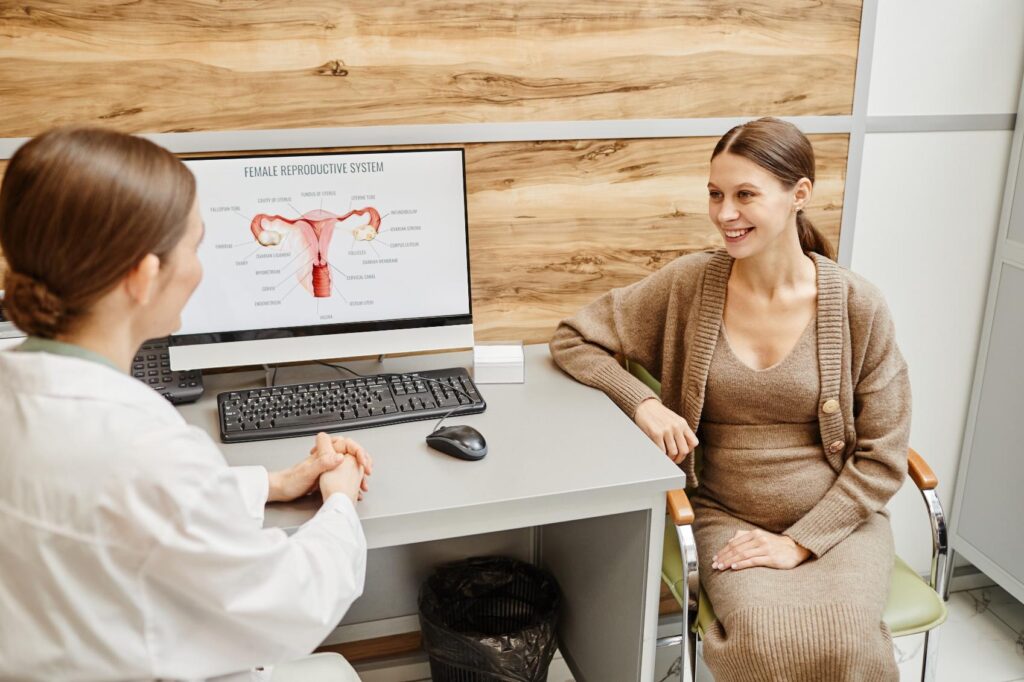
Treatment for Endometriosis
What is endometriosis?
Endometriosis is defined as the presence of tissue similar to the endometrium—the lining of the uterine cavity—in areas outside the uterus. Common sites where endometriotic lesions are found include the inner surface of the abdomen, the ovaries, the fallopian tubes, the uterine ligaments, and other locations.
Unlike the endometrium, which is shed from the body each month during menstruation, endometriotic lesions have no outlet. Therefore, if left untreated, they usually enlarge, spread, and may negatively affect the patient’s health.
What Are the Symptoms of Endometriosis?
There are many symptoms that may indicate the presence of endometriosis, with pain being the common denominator. The intensity and nature of the pain vary and are not always proportional to the severity of the condition. Symptoms suggestive of endometriosis include:
- Pain during menstruation (dysmenorrhea)
- Gastrointestinal symptoms during menstruation (diarrhea, nausea, vomiting)
- Pain during sexual intercourse (dyspareunia)
- Painful urination or bowel movements
- Chronic abdominal pain
- Menstrual bleeding disorders (in cases of endometriosis of the uterine wall – adenomyosis)
- Infertility
It is important to note that endometriosis may be present in a patient even in the absence of symptoms.
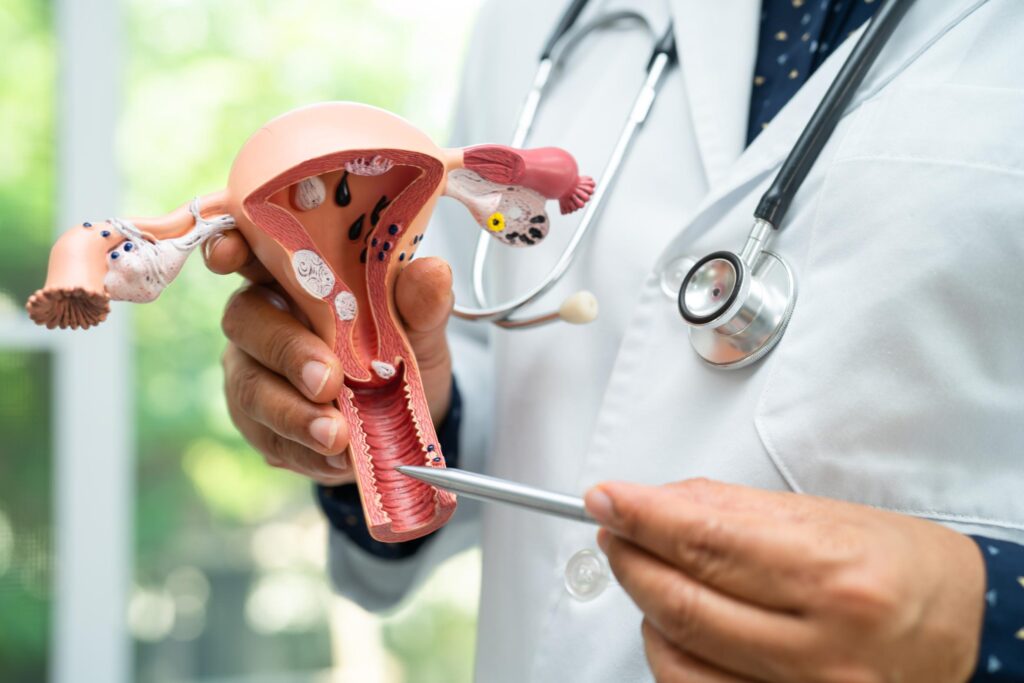

How Does Laparoscopy Function as a Treatment for Endometriosis?
When conservative methods (painkillers, contraceptives) are insufficient, when infertility is present, or when an organ (e.g., ovaries, bowel, ureters) is affected by endometriosis, surgical treatment is indicated, which nowadays is almost always performed laparoscopically.
Through the endoscopic approach, complete eradication of the disease can be achieved with minimal impact on healthy tissues and maximum safety for the patient. At the same time, recovery is immediate and the aesthetic results are excellent.
In all cases, before any treatment is undertaken, it is essential to establish an individualized therapeutic plan based on the patient’s medical history, symptoms, and reproductive plans. In endometriosis, more than in any other benign gynecological condition, this treatment plan determines the successful management of the disease.
What Tests Are Required for Laparoscopic Treatment of Endometriosis?
Unfortunately, delayed diagnosis of endometriosis remains a significant issue even today, with the time interval between the first symptom and initial therapeutic intervention often being unjustifiably long.
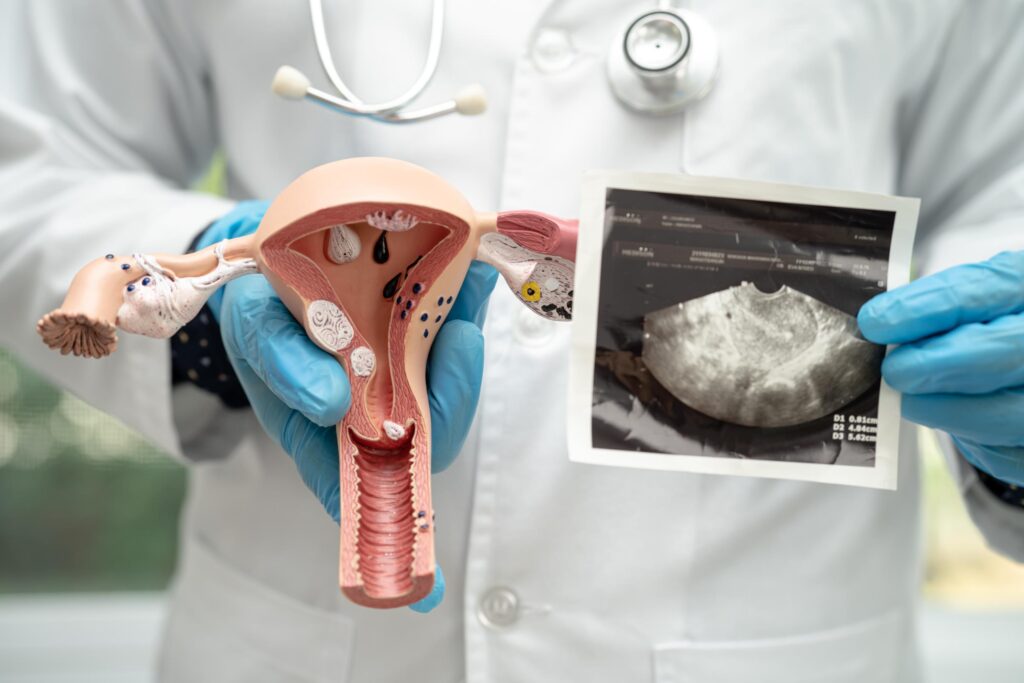
A specialized physician, based on the patient’s medical history, a targeted clinical examination, and the use of imaging methods (such as ultrasound, magnetic resonance imaging, and more rarely colonoscopy), can not only establish a strong suspicion of the disease but also determine its extent. This knowledge is crucial for designing the appropriate therapeutic plan and ultimately achieving successful management of endometriosis.


How Is Recovery After Laparoscopic Treatment for Endometriosis Described?
The endoscopic approach ensures minimal burden on the patient, allowing, in the majority of cases, a safe return home on the day of the procedure or, at the latest, the following day.
In rare cases of extensive endometriosis significantly affecting the function of organs such as the bowel and ureters, a more extensive endoscopic procedure may be required, involving physicians from multiple specialties (gynecologist, urologist, general surgeon, etc.). In such cases, the patient is informed in advance that a longer stay at the clinic may be necessary.
Why Choose Laparoscopic Treatment for Endometriosis with Gynecologist Ioannis Raptis?
- Ioannis Raptis
is an accredited physician (MIC II qualification) certified by the German Society for Gynecological Endoscopy (AGE) to perform advanced laparoscopic and hysteroscopic procedures of high complexity. - He served as Head of the Endometriosis Center (Endometriosezentrum) at the German academic hospital AKH Hagen.
- The doctor is supported by a specialized medical team of permanent collaborators (anesthesiologist, assistant surgeons, nurse).
In the majority of cases, the
patient returns home on the same day.
MEDIA
According to the scientific standards
of the German Society of Obstetrics and Gynecology
