

Ioannis K. Raptis is a certified physician (MIC II) for performing advanced laparoscopic and hysteroscopic surgeries by the German Society of Gynecological Endoscopy (AGE). The majority of patients have the option to undergo laparoscopic-robotic procedures without hospitalization.
Follow Us
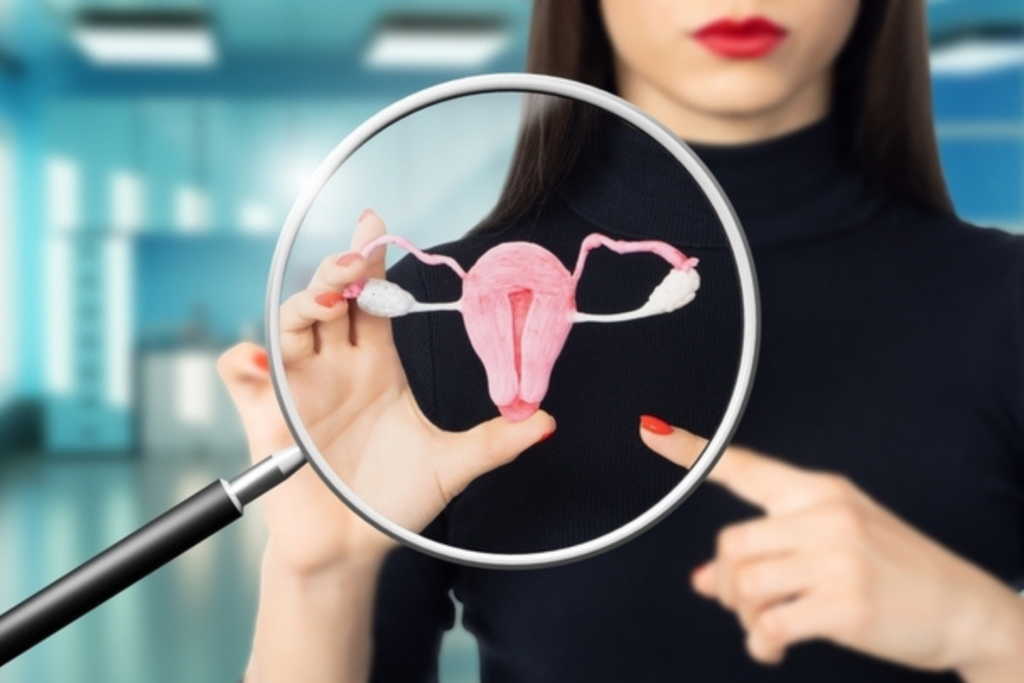
By the term infertility investigation, we mean the full set of diagnostic tests that assess a couple’s reproductive capacity. A thorough and personalized investigation not only helps identify underlying pathologies but also largely determines the strategy to be followed in assisted reproductive treatments.
Infertility is defined as the inability to conceive after 12 months of regular, unprotected sexual intercourse (2–3 times per week).
There are two main categories of infertility. Primary infertility refers to women who have not carried a pregnancy in the past, while secondary infertility αφορά women who have had at least one pregnancy previously. The causes of infertility are varied. Conditions affecting the fallopian tubes or the uterus, ovulatory disorders, hormonal factors, as well as sperm-related problems are among them. Despite thorough evaluation, in some cases no clear cause can be identified. In such instances, the condition is referred to as unexplained infertility.


In young couples under the age of 35–37, infertility evaluation usually begins after 12–18 months of unsuccessful, regular attempts to conceive. In older couples or in those with a history of medical conditions, evaluation may begin as early as 6 months of unsuccessful regular intercourse.
Advanced maternal age—and secondarily paternal age—undoubtedly constitutes the most significant factor in infertility, but it is not the only one. Other major contributing factors to infertility include:
The evaluation of infertility begins with obtaining a detailed medical history from the woman and performing a complete gynecological examination, including an ultrasound of the internal genital organs. The female reproductive system is assessed, specifically the anatomy of the uterus, the uterine cavity, the ovaries, as well as the anatomy of the pelvis.
Blood tests are then performed. These include routine laboratory tests and a comprehensive hormonal panel, along with an evaluation of ovarian reserve. Depending on the medical history (e.g., autoimmune diseases, cardiovascular conditions, miscarriages, etc.), further specialized blood tests may be required (e.g., antibody testing, thrombophilia screening, genetic testing, etc.).
Hysterosalpingography is another key diagnostic test used to assess the patency of the fallopian tubes and the morphology of the uterine cavity. A modern variation of this examination, hysterosalpingo-contrast sonography (HyCoSy), allows evaluation of the fallopian tubes using ultrasound, without exposure to radiation and with significantly reduced discomfort for the patient.
Depending on the findings of the above tests, additional diagnostic steps may be necessary. For example, suspicion of an endometrial polyp on ultrasound may indicate the need for diagnostic hysteroscopy, while the presence of severe menstrual pain may necessitate diagnostic laparoscopy for the diagnosis and treatment of possible endometriosis.


We should not forget that the male factor contributes to approximately 50% of infertility cases. Therefore, evaluation of the male partner is an integral part of infertility assessment.
In this context, semen analysis is an extremely important test for men, as it evaluates both quantitative and qualitative characteristics of the sperm. This examination assesses sperm count, motility, and morphology, as well as general parameters such as viscosity, pH, and liquefaction. Depending on the initial findings, additional specialized tests may be requested, such as semen culture, sperm DNA fragmentation index (DFI), and assessment of oxidative stress in semen.
Evaluation of the partner by a urologist is also an important step, as it often reveals factors that may negatively affect fertility. Clinical examination, along with ultrasound and hormonal testing, may identify underlying pathologies, the treatment of which can significantly contribute to achieving pregnancy.
The evaluation of infertility is a personalized diagnostic process that allows for the identification of underlying causes and the selection of the most appropriate therapeutic approach. A comprehensive assessment helps prevent unnecessary interventions and delays, and contributes to the development of an individualized treatment plan that maximizes the chances of achieving pregnancy.
For specialized guidance and support in matters of infertility, obstetrician–gynecologist Ioannis Raptis and his team are at your disposal. Contact us.
