
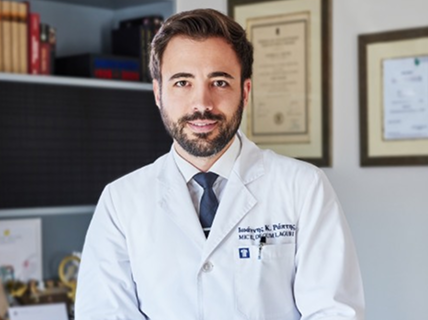
Dr. Ioannis K. Raptis is a certified physician (MIC II title) authorized to perform advanced laparoscopic and hysteroscopic procedures by the German Society for Gynecological Endoscopy (AGE).
For the majority of patients, laparoscopic and robotic procedures can be performed without hospitalization.
Follow us
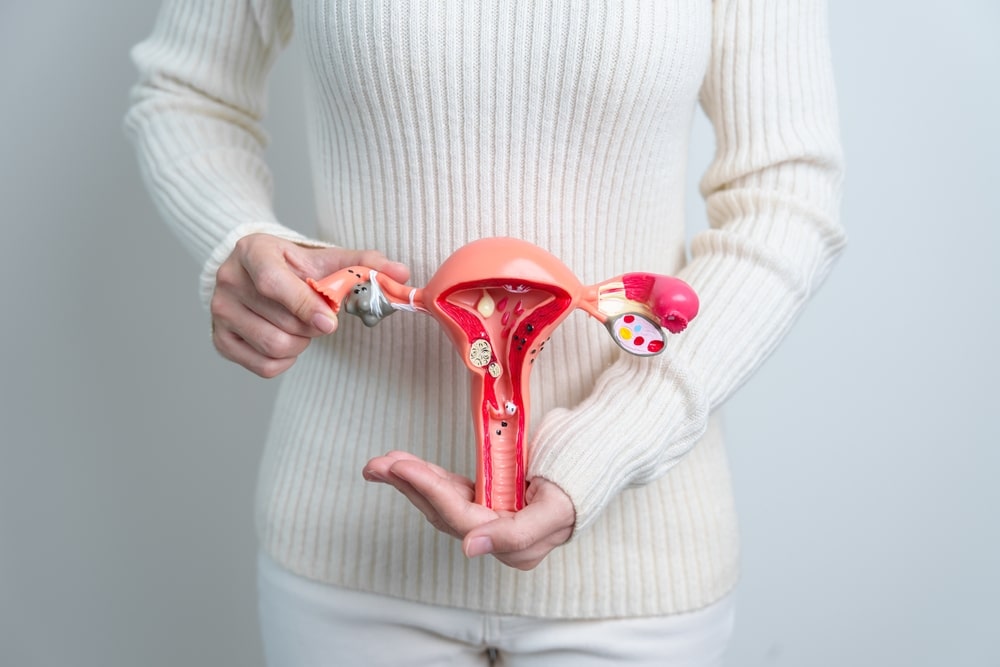
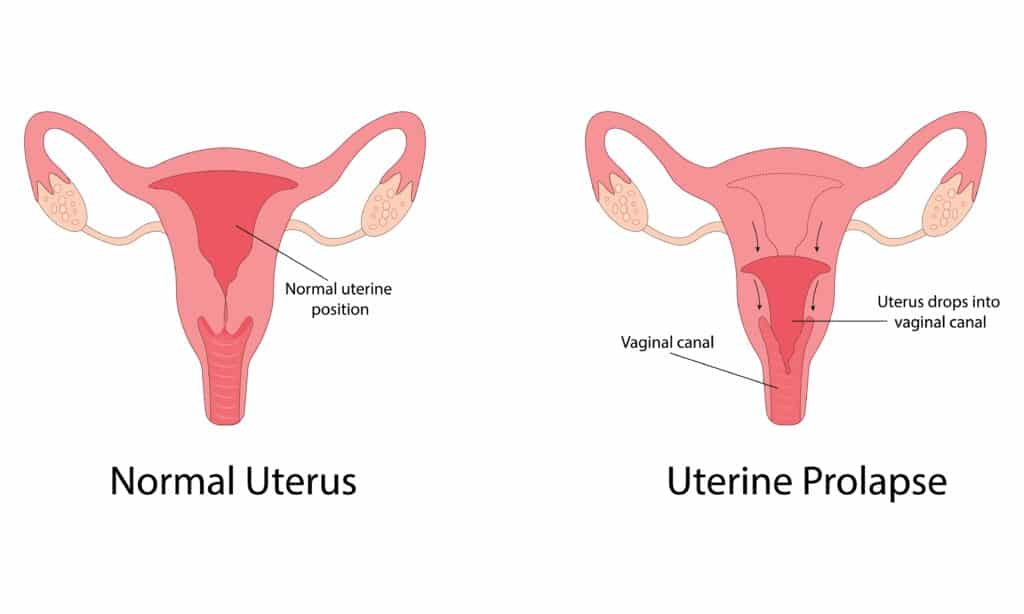
Uterine and vaginal prolapse describes the downward displacement of the pelvic organs toward the vaginal opening due to weakening of the supporting tissues in the area. The uterus, vagina, or other organs such as the bladder or rectum may descend toward or protrude outside the vagina. This condition is more common in women after menopause, especially those with a history of chronic physical strain or traumatic vaginal deliveries.
Uterine and vaginal prolapse is associated with discomfort that can significantly affect a woman’s daily life. The most common symptoms include:
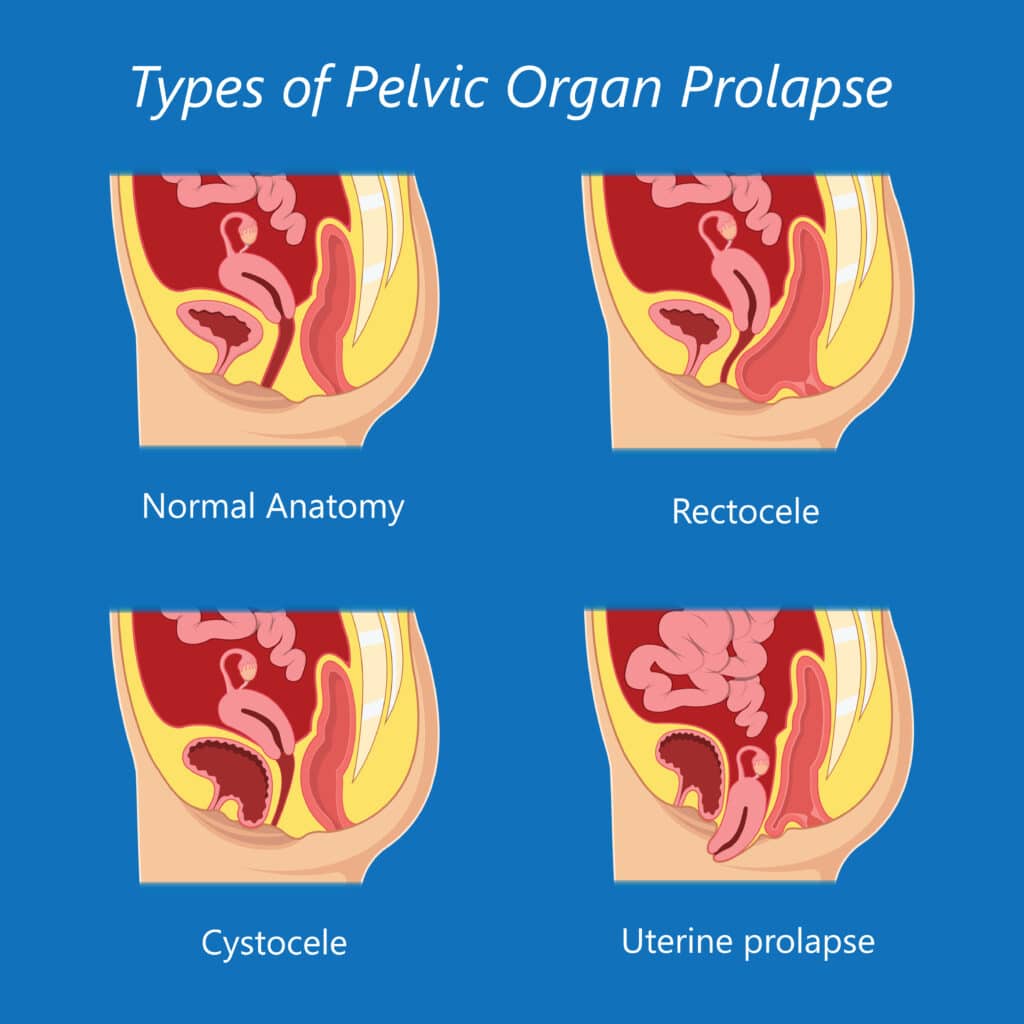
Uterine and vaginal prolapse is associated with various risk factors that contribute to the gradual weakening of the pelvic muscles and ligaments:
The progressive weakening of these tissues leads to loss of proper support for the pelvic organs.
Diagnosis is based on a specialized clinical examination, during which the physician assesses the position of the pelvic organs. Vaginal inspection reveals the degree of prolapse and any possible involvement of the bladder or bowel. An ultrasound examination complements the diagnostic evaluation.
The treatment of prolapse depends on the extent of the condition, the severity of symptoms, the patient’s age, and future family planning. In early stages, management may be conservative, focusing on strengthening the pelvic floor muscles through specialized exercises, while weight management plays a key role in reducing strain on the pelvic structures.
In more advanced stages, especially when significant symptoms are present, surgical repair of the prolapse represents the most effective therapeutic option.
However, when surgery is not advisable (such as in advanced age or in the presence of serious comorbidities), the use of vaginal pessaries can provide functional relief. Pessaries may also serve as a temporary solution until surgical correction is scheduled.
The laparoscopic Pectopexy is the most modern and safe surgical technique for the definitive treatment of uterine and vaginal prolapse. During the procedure, a special non-absorbable mesh is placed to support the vagina or uterus by fixing it to the lateral pelvic walls. Compared to the older method (sacrocolpopexy), Pectopexy ensures:
Ioannis Raptis is a certified physician (titles MIC II and AGUB I) for performing highly advanced laparoscopic procedures, accredited by the German Society for Gynecological Endoscopy (AGE), as well as for the management of complex urogynecological conditions (German Society for Urogynecology and Pelvic Floor Reconstruction – AGUB).
He introduced the laparoscopic Pectopexy method and the respective term in Greece for the first time in November 2017.
During the procedure, the leading and fully biocompatible mesh DynaMesh®-PRP soft is used.
In cases of subtotal hysterectomy, intracorporeal morcellation of the uterus is performed exclusively within a closed “Endo-bag” system, which protects the patient from tissue dissemination or potential malignancy.
For specialized guidance and support regarding urogynecological conditions, obstetrician-gynecologist Ioannis Raptis and his team are at your disposal. Contact us.

Χρησιμοποιούμε cookies για να βελτιώσουμε την εμπειρία σας στον ιστότοπό μας. Χρησιμοποιώντας τον ιστότοπό μας, συναινείτε στη χρήση cookies.
Manage your cookie preferences below:
Essential cookies enable basic functions and are necessary for the proper function of the website.