

At the practice of Ioannis Raptis, infertility issues are managed in accordance with the guidelines of the “Frankfurter Hormonschule” (Frankfurt Hormone School) and the International Society of Gynecological Endocrinology (ISGE).
Follow Us

The natural cycle in vitro fertilization is a mild and hybrid approach to assisted reproduction. Unlike conventional IVF, it does not involve pharmacological stimulation of the ovaries, but instead utilizes the single oocyte that the female body naturally produces each month, which is then fertilized in the laboratory. This method preserves the natural course of the cycle and limits medical interventions.
It is a suitable option for specific cases, particularly when standard stimulation protocols are not effective or not well tolerated by the woman. The method offers an alternative with no risk of medication-related side effects, reduced cost, and a psychologically milder experience.
The procedure follows the woman’s natural menstrual cycle. Through regular ultrasound examinations and hormonal monitoring, the follicle that is naturally developing is identified. When it reaches the appropriate size, a small dose of human chorionic gonadotropin (hCG) may be administered, if necessary, to trigger ovulation.
Oocyte retrieval is performed at the appropriate time, under mild sedation or local anesthesia. The retrieved oocyte is fertilized in the laboratory with the sperm of the partner or a donor, and if fertilization is successful, embryo transfer follows.
In some cases, the embryo is cryopreserved for future use. The decision for immediate or delayed embryo transfer depends on various factors, primarily the condition of the endometrium. Additionally, in many cases, the strategy of collecting multiple embryos before performing any embryo transfer is applied.

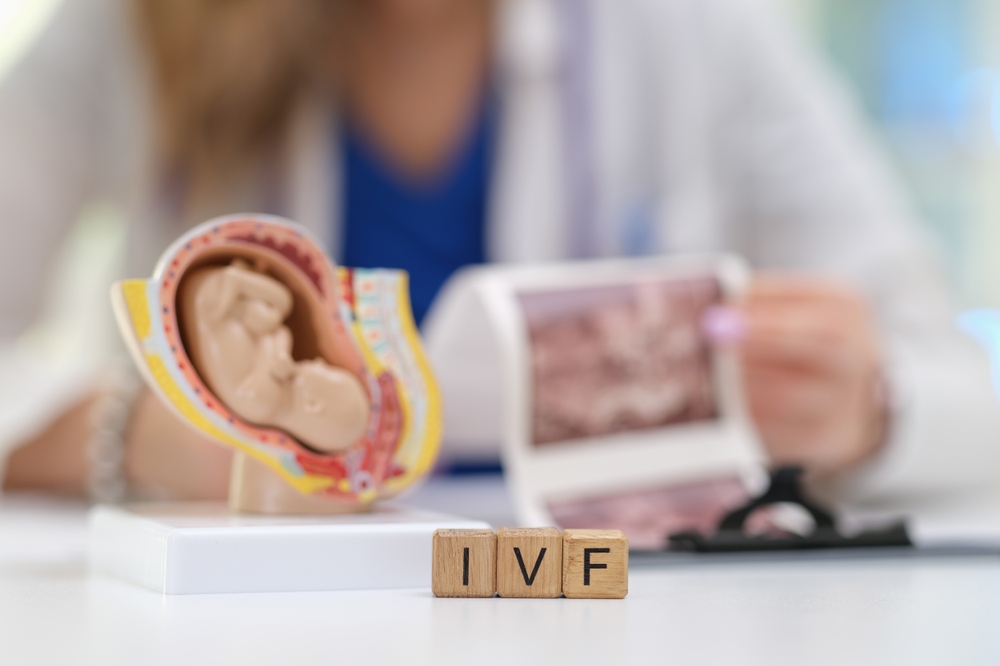
The natural cycle IVF is not a solution for all women, but it is ideal in specific cases:


Although mild, the method requires strict cycle monitoring, frequent ultrasound and hormonal assessments, as well as good communication with the medical team. In addition:
For some women, IVF in a modified natural cycle may be recommended. This is an intermediate approach between the natural cycle and conventional IVF, where very low doses of medication are administered to support the body’s natural process.
This allows the development of two or more follicles, gently increasing the chances of fertilization. Therefore, it is an option that combines the positive experience of the natural cycle with the improved success rates of mild stimulation.
Natural cycle IVF reflects a new philosophy in fertility treatments. It does not focus on quantity, but on quality and on utilizing the body’s natural capabilities. It is an option closer to the experience of natural conception, with less medical intervention, but it requires discipline, perseverance, and careful patient selection.
If you are considering IVF treatment and are looking for a milder and more natural approach, discuss with your specialized physician whether this method is suitable for you. Every woman is unique, and the right treatment choice should be based on her medical history, hormonal profile, and personal needs.
Dr Ioannis Raptis, Obstetrician and Gynaecological Surgeon, is a graduate of the Frankfurt School of Hormones (Frankfurter Hormonschule) and a Certified Practitioner of the International Society of Gynecological and Reproductive Endocrinology (ISGE). He has extensive experience in assisted reproduction, with reported success rates above both the international and Greek averages.
For specialist guidance and support on all aspects of assisted reproduction, the doctor and his team are at your disposal. Contact us.

Natural cycle in vitro fertilization is a mild approach to IVF that is based on the woman’s natural menstrual cycle without pharmacological stimulation of the ovaries. Instead of retrieving multiple oocytes, the single oocyte that matures naturally is used, and after fertilization in the laboratory, the resulting embryo is transferred to the uterus.
Yes. Natural cycle in vitro fertilization eliminates the risk of side effects associated with medication use and reduces the stress related to injectable treatment.
The success rates of the method are lower than those of conventional IVF, as natural cycle IVF is usually offered to women of advanced reproductive age, with diminished ovarian reserve, or with previous failed IVF attempts. However, with appropriate specialized guidance and with the patient’s patience and perseverance, a significant number of women are able to achieve pregnancy.
The method is primarily intended for women with low ovarian reserve or poor response to stimulation protocols. Ideal candidates also include those with contraindications to pharmacological stimulation or those who prefer a less invasive form of in vitro fertilization.

Χρησιμοποιούμε cookies για να βελτιώσουμε την εμπειρία σας στον ιστότοπό μας. Χρησιμοποιώντας τον ιστότοπό μας, συναινείτε στη χρήση cookies.
Manage your cookie preferences below:
Essential cookies enable basic functions and are necessary for the proper function of the website.