Rectangle 174

Ioannis Raptis MIC II, DEGUM I, AGUB I

Obstetrician – Gynecologist

At the practice of Ioannis Raptis, infertility issues are managed in accordance with the guidelines of the “Frankfurt Hormone School” (Frankfurter Hormonschule) and the International Society of Gynecological Endocrinology (ISGE).

Doctor’s CV >>

Follow Us

Κρυοσυντήρηση ωαρίων

Egg Cryopreservation

What is egg cryopreservation?

Egg cryopreservation, also known as egg freezing, is a modern medical practice that allows women to preserve their fertility at a later reproductive age. Through this method, eggs are retrieved at a younger age, frozen, and stored for future use.

The technology of vitrification has significantly improved the success rates of the procedure, making it a safe and reliable option for women who wish to delay motherhood.

How does the procedure work?

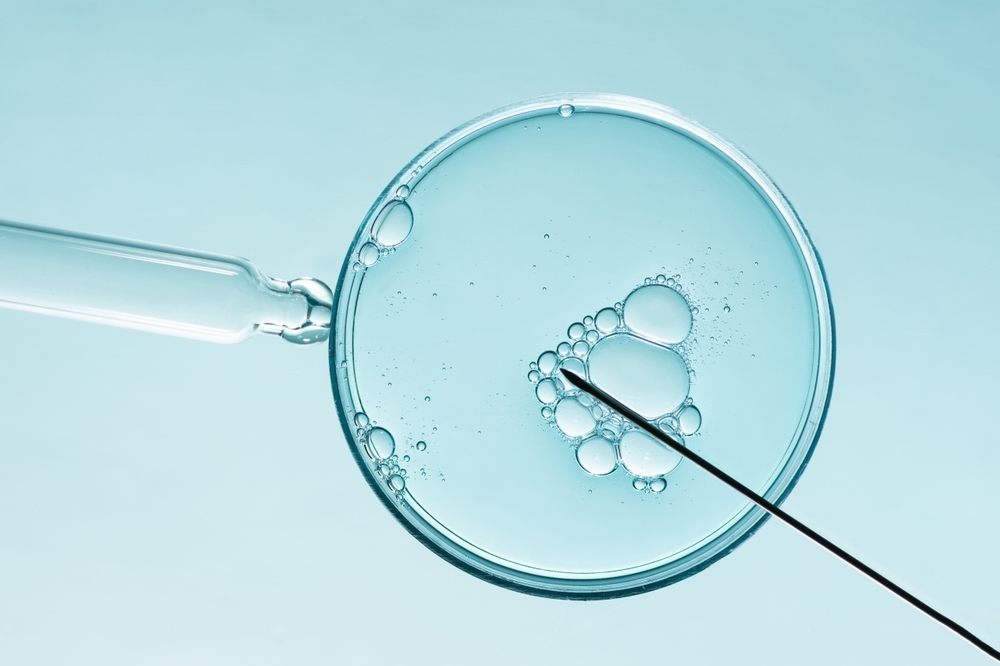
During the procedure, hormones are administered to stimulate the ovaries to produce multiple eggs. The eggs are then retrieved transvaginally using a fine needle and immediately frozen using the vitrification method, which protects the cells from the formation of ice crystals.

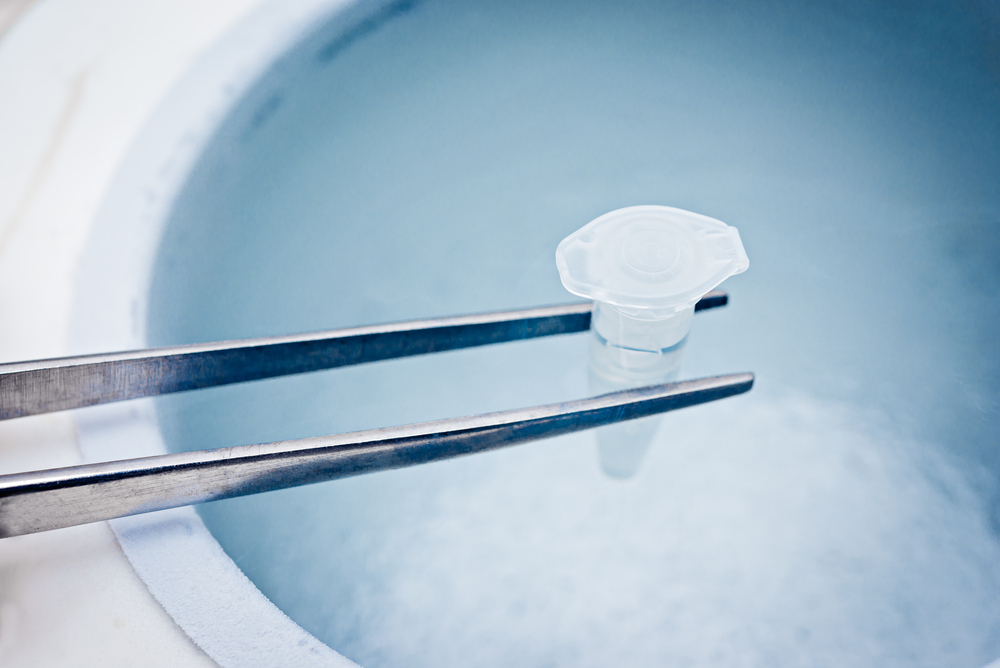
The frozen eggs are stored in specially designed liquid nitrogen tanks, where they remain stable until they are thawed for future use.

kryosyntirisi oarion 2 1
kryosyntirisi oarion 3 1

When is egg cryopreservation recommended?

Egg freezing may be considered in various situations, for both medical and social reasons:

  • Patients who are about to undergo treatments that may affect fertility (e.g., chemotherapy).

  • Women who wish to postpone childbearing for social reasons.

  • Individuals with premature ovarian insufficiency.

  • Individuals suffering from ovarian conditions, such as endometriosis.

What is the procedure step by step?

The process includes the following stages:

  • Administration of hormones to stimulate the simultaneous maturation of multiple eggs.

  • Close ultrasound monitoring of follicular development.

  • Egg retrieval under mild anesthesia.

  • Freezing of the eggs using the vitrification method.

  • Long-term storage until they are used through in vitro fertilization (IVF).

The procedure is completely painless and is completed within 10–14 days, without requiring hospitalization or time off work.

Age & Egg Cryopreservation

A woman’s age at the time of egg freezing plays a decisive role in both the quality and quantity of the eggs. The optimal time for cryopreservation is before the age of 35. At older ages, a decline in both egg quality and quantity is observed, which can affect the chances of achieving pregnancy later in life.

Safety and Effectiveness

Egg cryopreservation is a completely safe, painless, and scientifically proven effective method. Eggs remain stable for as long as needed, and survival rates after thawing are very high. The ultimate success of the method depends on the woman’s ability to achieve pregnancy in the future using the frozen eggs. Age at the time of freezing and the number of stored eggs play a central role in this outcome.

Ioannis Raptis and his team provide comprehensive and personalized support at every stage of the egg cryopreservation process. With many years of experience in the field of assisted reproduction and by applying the most advanced scientific methods, the practice stands out for its high success rates and its ability to effectively address the individual needs of every woman who chooses to preserve her fertility.

Contact us for a fertility assessment and a complete evaluation of your suitability for egg cryopreservation.


shutterstock 2380766637

MEDIA

According to the scientific standards
of the German Society of Obstetrics and Gynecology

Frame 59 1

Book your appointment

Book
your appointment